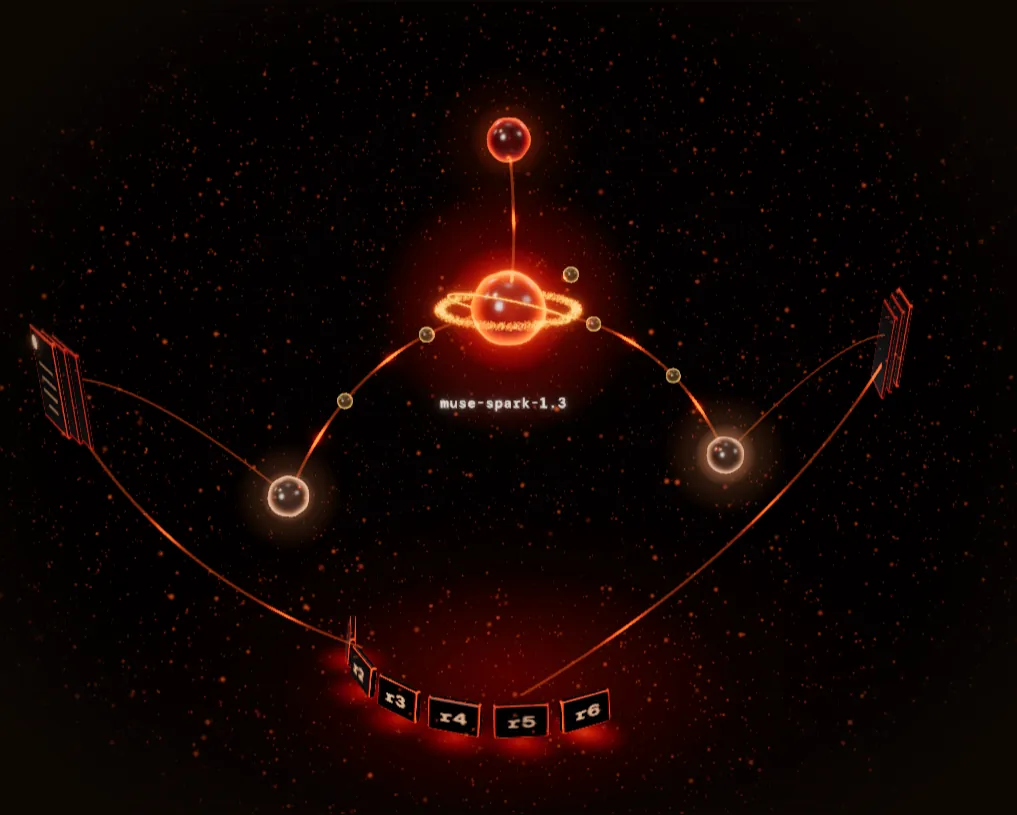
Agent Forge connects request understanding, retrieval, evidence-aware routing, conditional review, execution, and traceable feedback. The exact path depends on task requirements and the services currently available.
Every request touches intake and (when configured) memory before it reaches a backend. Karma decides which backend; Trimurti decides whether it needs deliberation first; Memory decides what context it starts with. The full six-stage breakdown is on the homepage — below is how the three architectural pieces fit into it.
Any agent can bring in specialists for its part. Then it all comes back as one answer. Keep scrolling to follow one real turn.
When a turn used tools or agents, a model other than the one that wrote the work tests it against the stored evidence. What fails goes through correction. If it still cannot be confirmed, the answer is marked unverified.
Illustration.
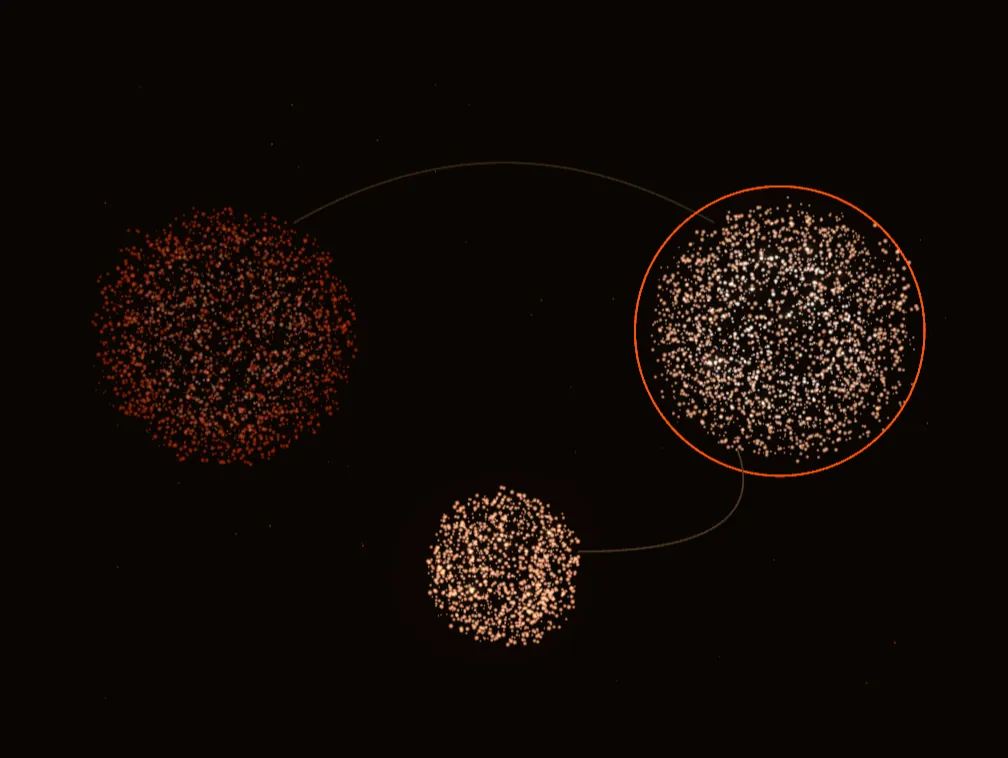
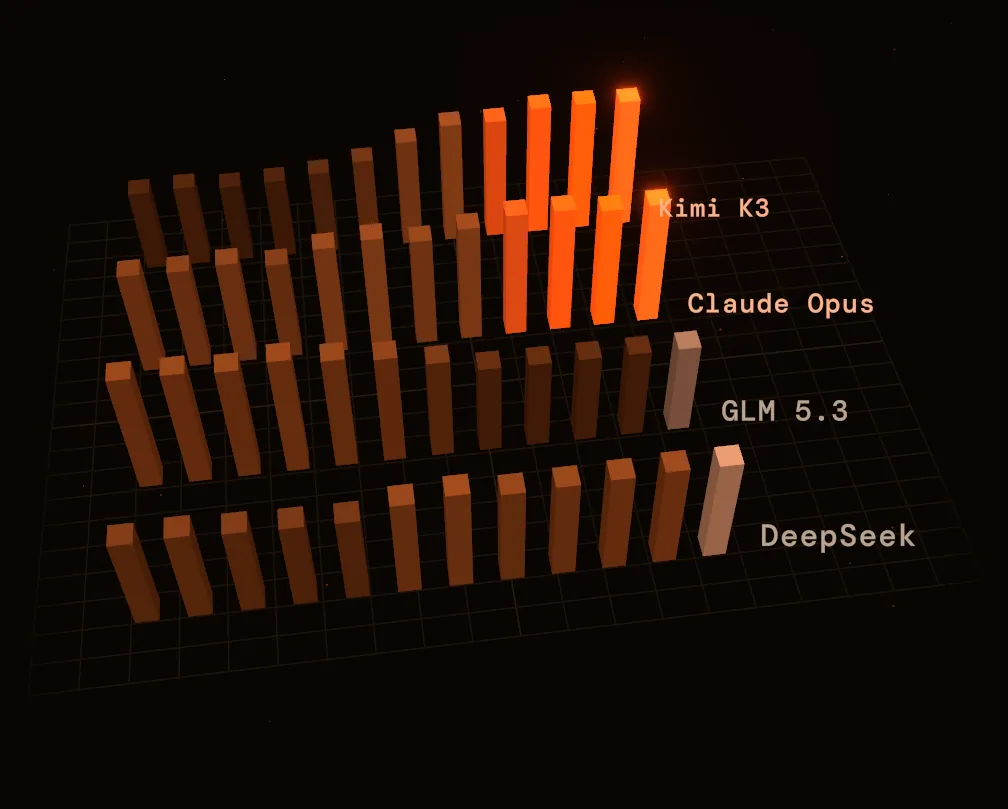
Finished work is scored, and each model earns trust by what it delivered. Public leaderboards give a new model its start. Its record here does the rest.
Karma is the platform's routing-evidence layer. It combines recorded outcomes with health, latency, capability, provider-limit, and exploration signals. It informs candidate ranking; it does not retrain or modify provider models.
Trimurti is a three-perspective review layer for work that warrants additional deliberation. The three are deliberately opposed: Bodha argues for what should be created, Dharma for what must be preserved and kept safe, Tapas for what should be removed. They run at the same time, not in sequence, and they advise — the orchestrator decides. It runs conditionally, not on every message.
Agent Forge separates durable application state, semantic retrieval, session history, checkpoints, and routing evidence. Production persistence uses MongoDB Atlas; retrieval behavior depends on the configured backend and embedder status.